How Audit-Friendly Certificate Systems Support Institutions Better
Digital certificate systems do not serve only recipients. They also serve institutions, organizers, and administrators who need visibility into how certificates were issued, accessed, and managed. This is why audit-friendly certificate systems are so valuable.
An audit-friendly system makes it easier to answer important operational questions: which certificates were issued, to whom, under which event, and through what workflow.
What Makes a System Audit-Friendly?
A certificate system is audit-friendly when it preserves structured records, supports traceability, and allows administrators to review certificate-related activity in a reliable way. This may include issuance data, certificate identifiers, event mapping, and retrieval context.
Why Institutions Need This
Institutions often have to answer questions from departments, committees, participants, or management teams. Without clear records, even simple confirmation requests can become difficult. With structured audit support, the organization can respond more confidently and consistently.
Main Benefits
1. Better Accountability
Audit-friendly systems show that certificates were not issued casually or without structure.
2. Easier Support Handling
When disputes or duplicate requests arise, staff can rely on system records instead of memory or scattered files.
3. Stronger Administrative Confidence
Event teams and institutions can manage large volumes with more control and visibility.
4. Better Long-Term Governance
Over time, audit-friendly systems support better reporting, review, and quality assurance.
Why This Strengthens Security
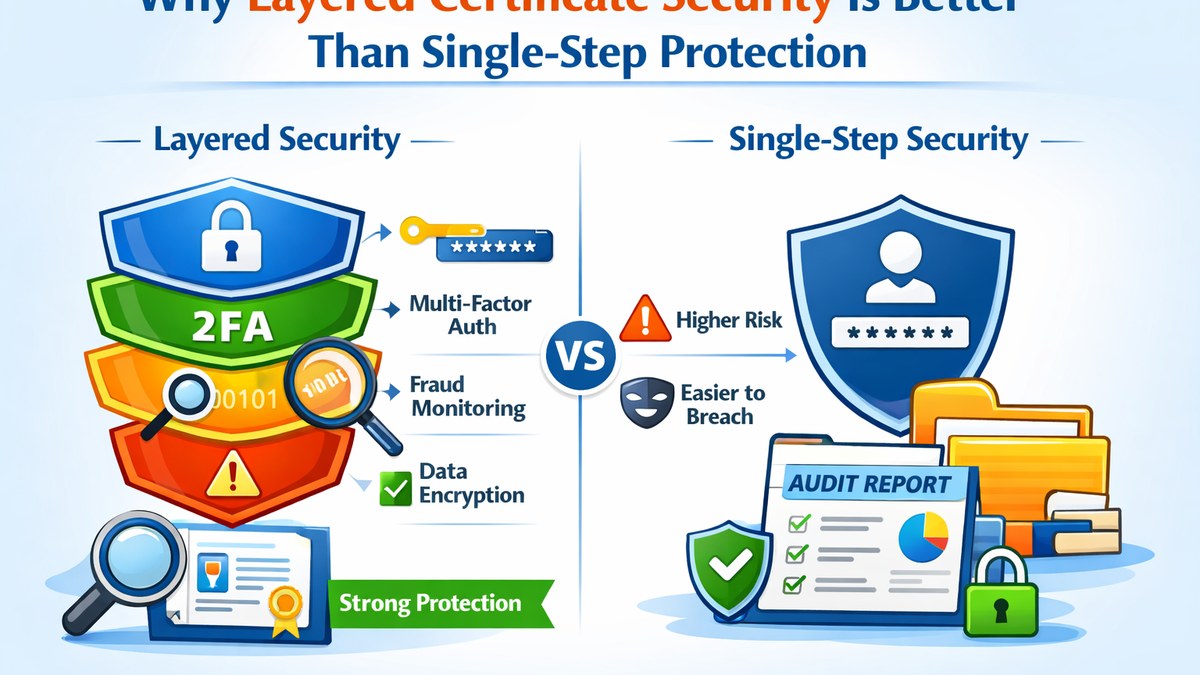
Security is not only about blocking access. It is also about preserving trustworthy records. Auditability strengthens the credibility of the system by showing that credential issuance is structured, traceable, and institutionally accountable.
Conclusion
Audit-friendly certificate systems help institutions operate with greater control, accountability, and trust. They strengthen the internal quality of digital credential management and make the system more dependable over time.